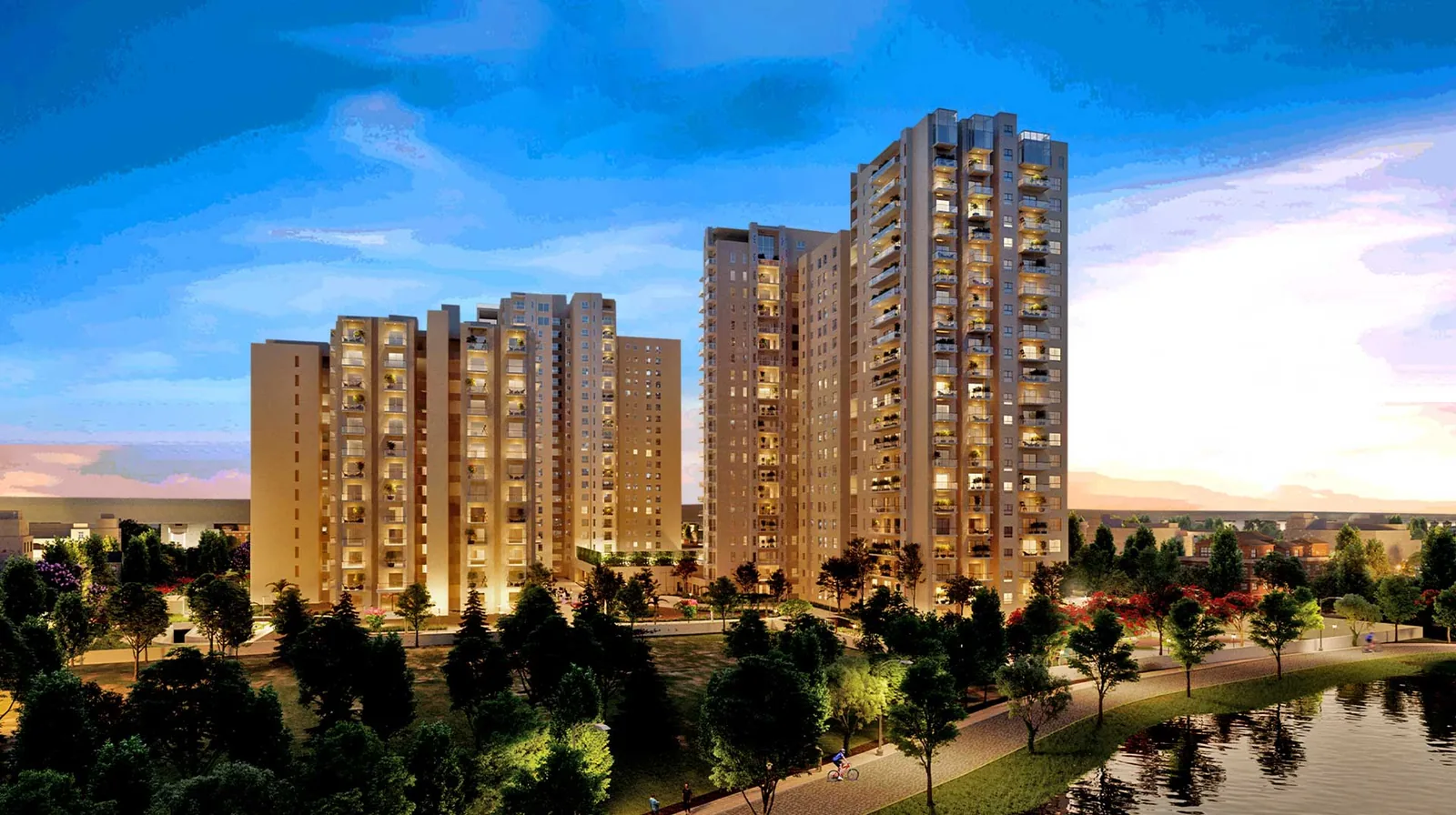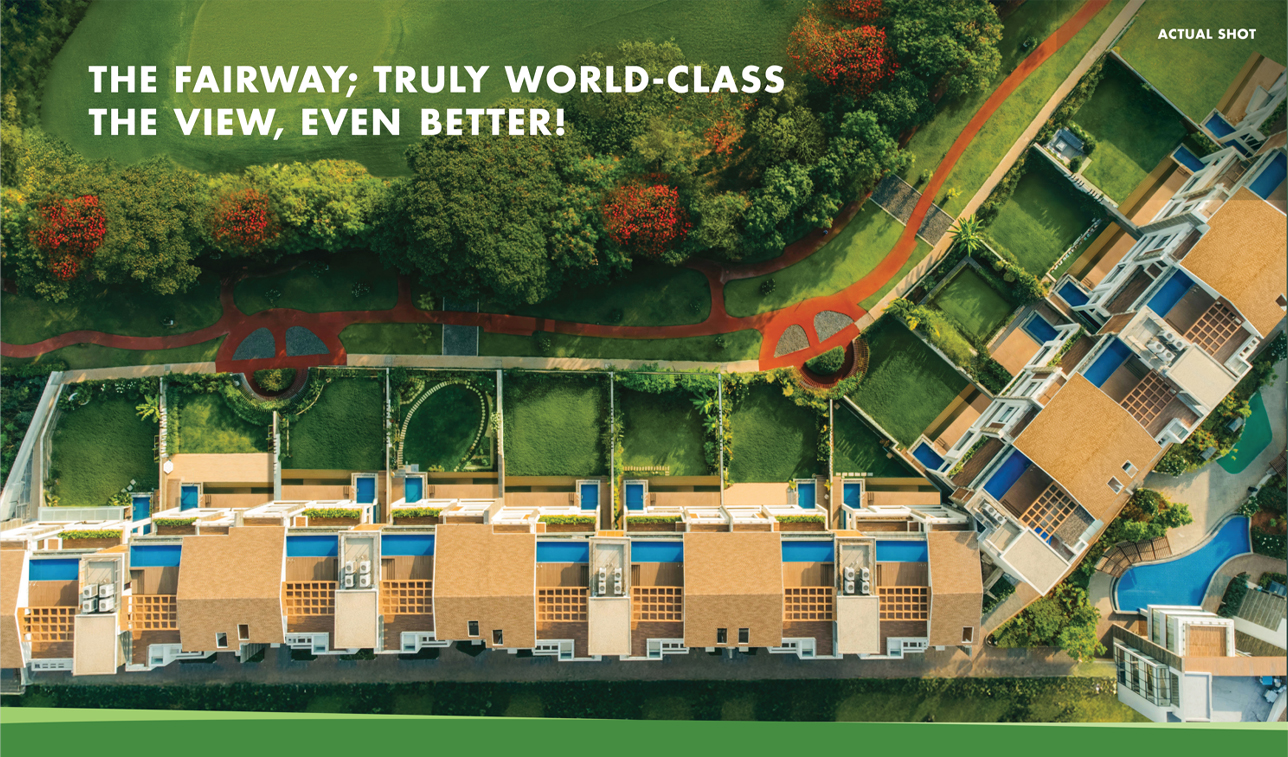
Ready To Move
Approved
Embassy Grove
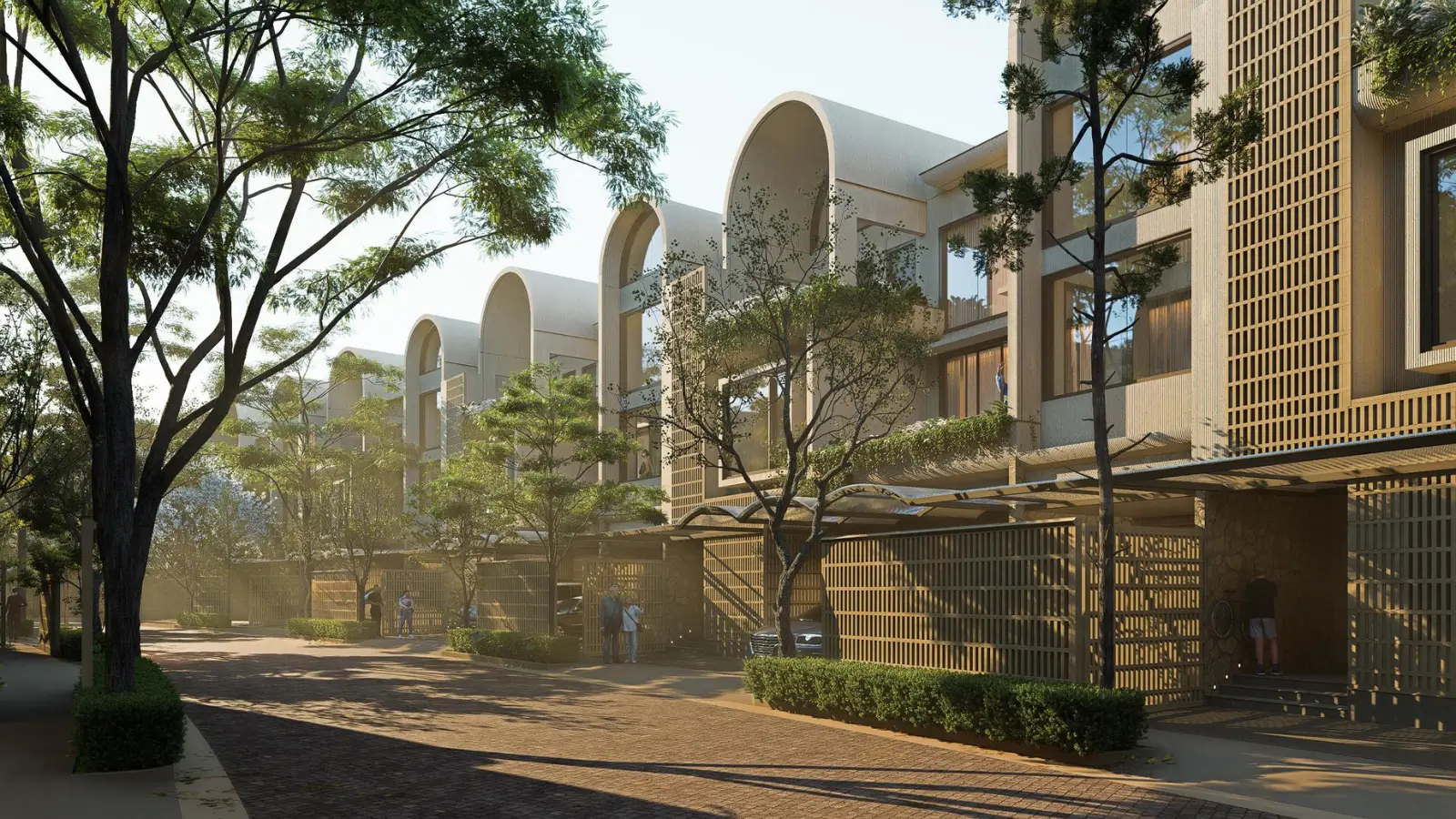
Embassy Grove, Kodihalli, Bangalore: RERA-approved villaments by Embassy Group, ready to move, priced from Rs 8.57 Cr onwards. Specs, price, verdict.
Embassy Group

Kodihalli

Updated On
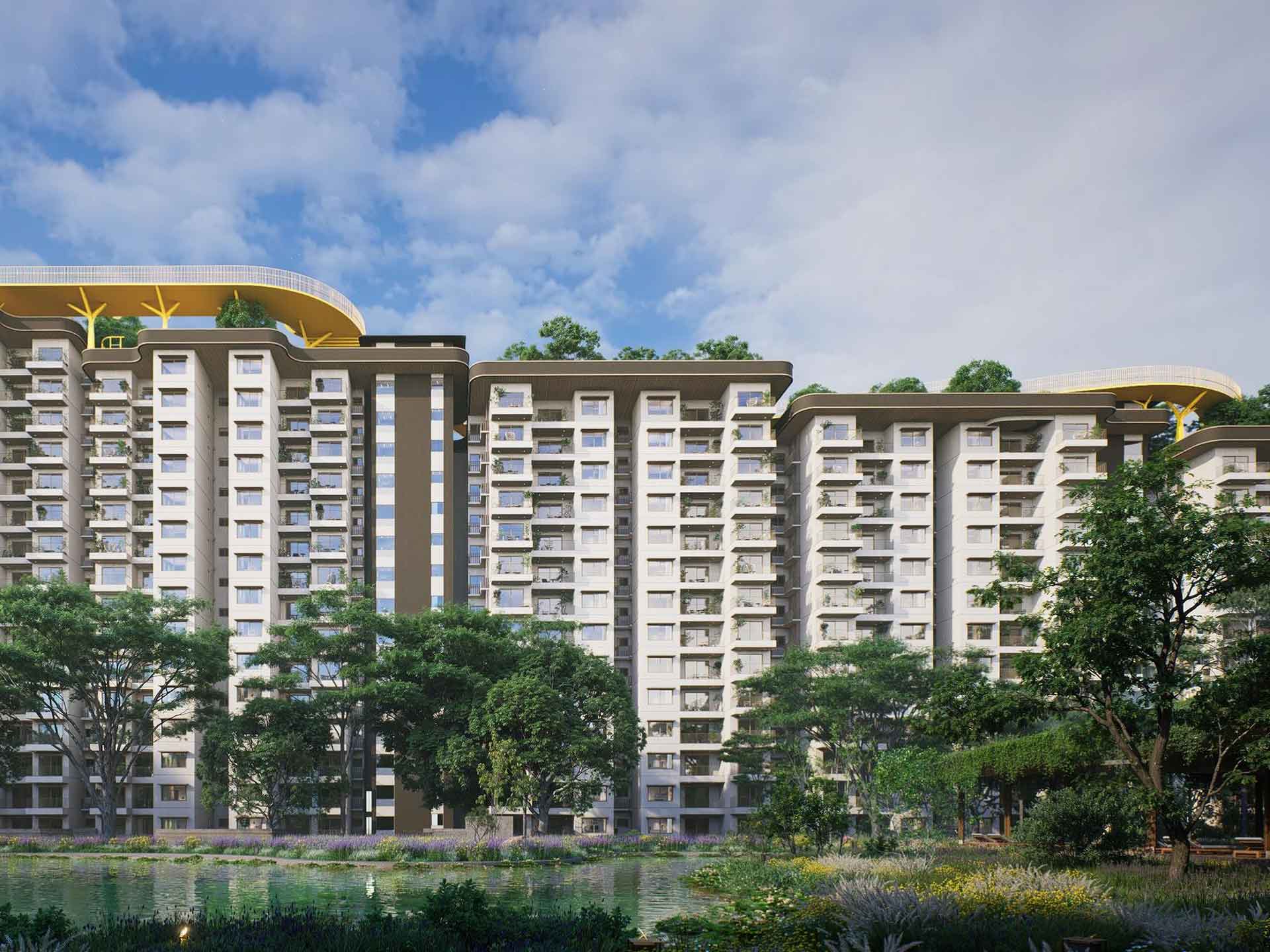
Embassy Biome Yelahanka is a new residential Apartments development project launched in Yelahanka in Bangalore. Ensuring that residents enjoy both breathtaking landscape and connectivity to the rest of the city. The project is thoughtfully designed with top-notch amenities.
The project covers an impressive 14 plus acres (within a 200 plus acre township)land area and offers a variety of luxurious and spacious living options. You can choose from 2 BHK - sqft - 1,330 to 1,333 sq ft sqft, 2.5 BHK - sqft - 1,598 sq ft sqft, 3 BHK - sqft - 1,896 to 1,923 sq ft sqft, 3.5 BHK - sqft - Up to approximately 2,249 sq ft (indicative) sqft, - sqft - sqft Apartments, all designed to meet your needs for comfort and style. Embassy Biome Yelahanka contains a total of 855 (approx) units, distributed across 10 plus towers, each standing tall with floors. This ensures plenty of choices for families, singles, and everyone in between.
For more information about layout and design details, comprehensive information about the master plan and floor plans please refer the sections below.
Expected to be ready for occupancy by December 2031 (tentative), Embassy Biome Yelahanka is developed by Embassy Group, a reputable name in the industry known for completing numerous projects accross Bangalore. Their commitment to quality, timely delivery, and reliability allows you to invest in your new home with confidence.
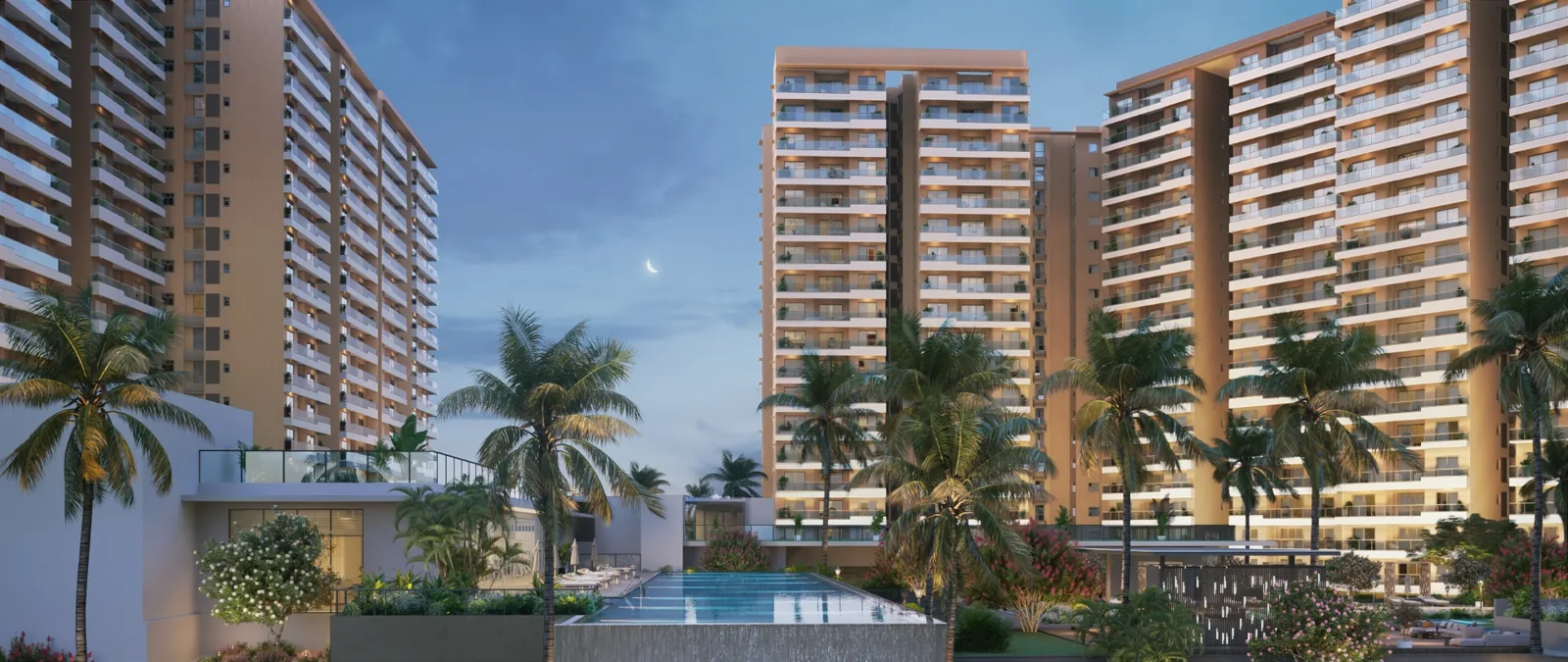
Embassy Biome comes with world class amenities to fill your essential and affluent needs. Residents can take advantage of a fully equipped gymnasium, clubhouse, and a swimming pool. For those who enjoy recreational activities, there are indoor games, a jogging track, and beautifully landscaped gardens. Children will have their own dedicated play area to explore and enjoy. Retail spaces add convenience for everyday shopping needs. A designated party area makes it easy to celebrate special occasions with family and friends.
Embassy Biome promotes a lifestyle that embraces nature. With ample open space, residents can enjoy a sense of luxury and tranquility surrounded by greenery. The project is designed to provide a comfortable living experience, complemented by 24/7 security for the safety and peace of mind of all residents.
Embassy Biome excels in connecting you to the external world as well. Located in Yelahanka.
Yelahanka is a residential micro-market in Bengaluru, Karnataka around PIN code 560064. For a first orientation, the Yelahanka map view helps place the locality in relation to surrounding roads, residential layouts, and daily-service pockets. City-level movement and civic context can be cross-checked through BMRCL Namma Metro, BMTC, BBMP, while the surrounding roads, institutions, healthcare options, transit nodes, and social infrastructure together shape how practical the area feels for homebuyers, tenants, and investors. This guide is written as a practical neighbourhood overview rather than a distance chart. Commute times, school admissions, hospital services, and retail access can change, so each shortlisted property should be checked on the ground.
Connectivity around Yelahanka is best evaluated through the mix of arterial roads, public transport, last-mile movement, and access to employment corridors such as Whitefield, Outer Ring Road, Electronic City, Manyata Tech Park, Devanahalli, Peenya, and Sarjapur Road. For day-to-day movement, residents should compare the main approach roads through nearby road and transit searches, because named station or bus-stop markers may sit in the wider catchment rather than beside every project. Where direct transit data is limited, the safest interpretation is to study the wider catchment and official mobility portals rather than assuming that a metro station, railway station, or bus stop is within walking distance. For end users, the key is to test the actual route from the property gate to the main road, public transport point, school route, and workplace corridor.
For real estate decisions, Yelahanka's connectivity should be checked at three levels. The first is the approach road: whether the property is reached through a main road, service road, village road, internal layout road, or a junction that becomes difficult during school and office hours. The second is the commute network: how residents move toward work clusters, railway or metro corridors, airport routes, bus depots, and neighbouring commercial centres. The third is local convenience: whether groceries, pharmacies, schools, clinics, and parks can be reached without repeatedly crossing high-traffic stretches. Because map results often show a mix of exact place results and wider-area results, buyers should treat the named transit points as orientation markers and verify the exact route from the property gate.
If Yelahanka is being considered for rental yield, connectivity has a direct bearing on tenant depth. Professionals usually compare the locality with alternative homes closer to office corridors, while families weigh school runs and healthcare access. Peripheral and emerging pockets may offer better space or pricing, but they need more careful checks on road width, street lighting, rain-time access, and public transport frequency. Established pockets may offer stronger bus, metro, railway, and cab access but can face congestion and parking pressure. This is why Yelahanka's connectivity should be treated as a full mobility ecosystem rather than as a single headline distance.
Education is a major filter for families shortlisting Yelahanka. The immediate locality may have a thinner set of named school markers, so families should begin with nearby school and college searches and then compare adjoining neighbourhoods for stronger education choices. This helps reveal whether the area is served by only a few nearby institutions or by a deeper school cluster spread across the neighbouring corridor.
Parents should use the named schools and colleges as a starting list, then verify curriculum, admission status, transport coverage, school-bus pickup points, fee structure, and commute timing directly with the institution. For Yelahanka, the practical question is not only whether schools exist nearby, but whether the daily school run is manageable during morning traffic. Families with younger children may prioritise preschools and primary schools inside a short radius, while older students may need access to PU colleges, coaching centres, sports academies, libraries, or specialised training institutions. The education picture is therefore useful because it shows the likely ecosystem, but it should be combined with direct parent-level checks.
From a homebuying perspective, a better education ecosystem usually supports long-term residential demand. Locations with multiple school options give families flexibility if admissions, curriculum preferences, or commute expectations change. For tenants, the presence of recognised schools and colleges can reduce relocation friction; for investors, it can widen the tenant pool beyond single professionals. In Yelahanka, the education section should be assessed alongside connectivity because even a reputed school may be inconvenient if the route crosses a congested junction or lacks reliable school transport. That combination of institution quality and daily travel practicality is what makes education a real estate factor rather than just a list of names.
Healthcare access around Yelahanka should be understood through both everyday clinics and larger medical facilities. The immediate locality may not show many named medical facilities, so residents should review nearby hospital and clinic searches and identify the closest dependable clinic, pharmacy, and larger hospital. This mix is useful because medical infrastructure is layered: one layer is everyday care such as clinics, dental care, diagnostic labs, and pharmacies; the other is larger hospitals that handle emergencies, surgery, maternity, paediatrics, orthopaedics, and specialist consultations.
For residents, the most important healthcare question is reliability. A locality can have many clinics on a map, but households should still check consultation hours, emergency availability, insurance acceptance, ambulance approach roads, and the nearest multi-speciality hospital. In Yelahanka, this is especially relevant for senior citizens, families with infants, and residents with chronic conditions who may need recurring access to diagnostics or specialists. Homebuyers should test the drive to at least one larger hospital and one pharmacy cluster during peak hours. Apartment buyers should also check gate access for ambulances, internal driveway width, lift backup, and whether nearby road conditions remain usable during heavy rain.
For real estate evaluation, healthcare access gives confidence beyond day-to-day convenience. It influences family suitability, senior-living comfort, and the willingness of tenants to stay longer. Emerging localities may depend on hospitals in an adjoining suburb or highway corridor, while central or established areas may have a denser network of clinics and speciality hospitals. The named healthcare options around Yelahanka should therefore be interpreted as a map of likely medical access, not as a guarantee of service quality. Before a purchase or lease decision, users should call shortlisted providers and verify current departments, timings, emergency support, and route practicality from the exact property.
Social infrastructure gives Yelahanka its daily-life character. Where named malls or parks are limited within the immediate pocket, home seekers should use nearby mall, park, and market searches to compare the wider social-infrastructure catchment. For a home seeker, this section matters because the value of a location is shaped by groceries, dining, worship places, salons, repairs, banking, fitness, weekend shopping, children's play areas, and usable public or semi-public open spaces.
In practical terms, Yelahanka should be checked for both organised and informal convenience. Organised social infrastructure includes malls, supermarkets, branded stores, sports facilities, cinema screens, community centres, and larger parks. Informal infrastructure includes neighbourhood provision stores, local markets, small eateries, pharmacies, vegetable shops, service vendors, temples or other places of worship, and everyday repair services. Many Indian micro-markets function well because of this informal layer even when a large mall is not immediately nearby. That is why the named amenities in this section should be used with a site visit: the best residential experience often comes from the combination of a convenient local market and a reachable weekend destination.
For buyers and investors, social infrastructure affects retention and resale appeal. Tenants prefer areas where they can solve daily needs quickly and still reach larger leisure options on weekends. Families value parks, sports spaces, safe walking routes, and child-friendly stores. Senior citizens may place more weight on pharmacies, clinics, temples, benches, and quieter internal roads. In Yelahanka, the ideal property is one that uses the locality's social ecosystem without being exposed to excessive noise, parking spillover, or traffic from commercial stretches. A final site visit should therefore cover weekday evenings and weekends, not just a quiet afternoon inspection.
Overall, Yelahanka should be scored through the combined lens of connectivity, education, healthcare, and social infrastructure. The named places and map links make the guide more useful, but real estate decisions still need final verification: walk the approach road, check commute routes, call institutions, test healthcare access, and inspect the neighbourhood at different times of day. Used this way, the guide becomes a practical shortlisting tool for comparing Yelahanka with other Bengaluru locations.
Whether you’re searching for a new family home or an independent living space full of vibrancy, Embassy Biome has something for everyone. Don't miss out on the opportunity to be part of this exceptional community.
All this enhanced life experience comes with the affordable and competitive prices. For details on pricing please refer to the pricing table below or contact us for exclusive offers.
Embassy Biome is the pre-launch codename for Embassy South Reserve, a 2 to 3.5 BHK apartment development by Embassy Group at Tarahunise, North Bangalore, now K-RERA registered.
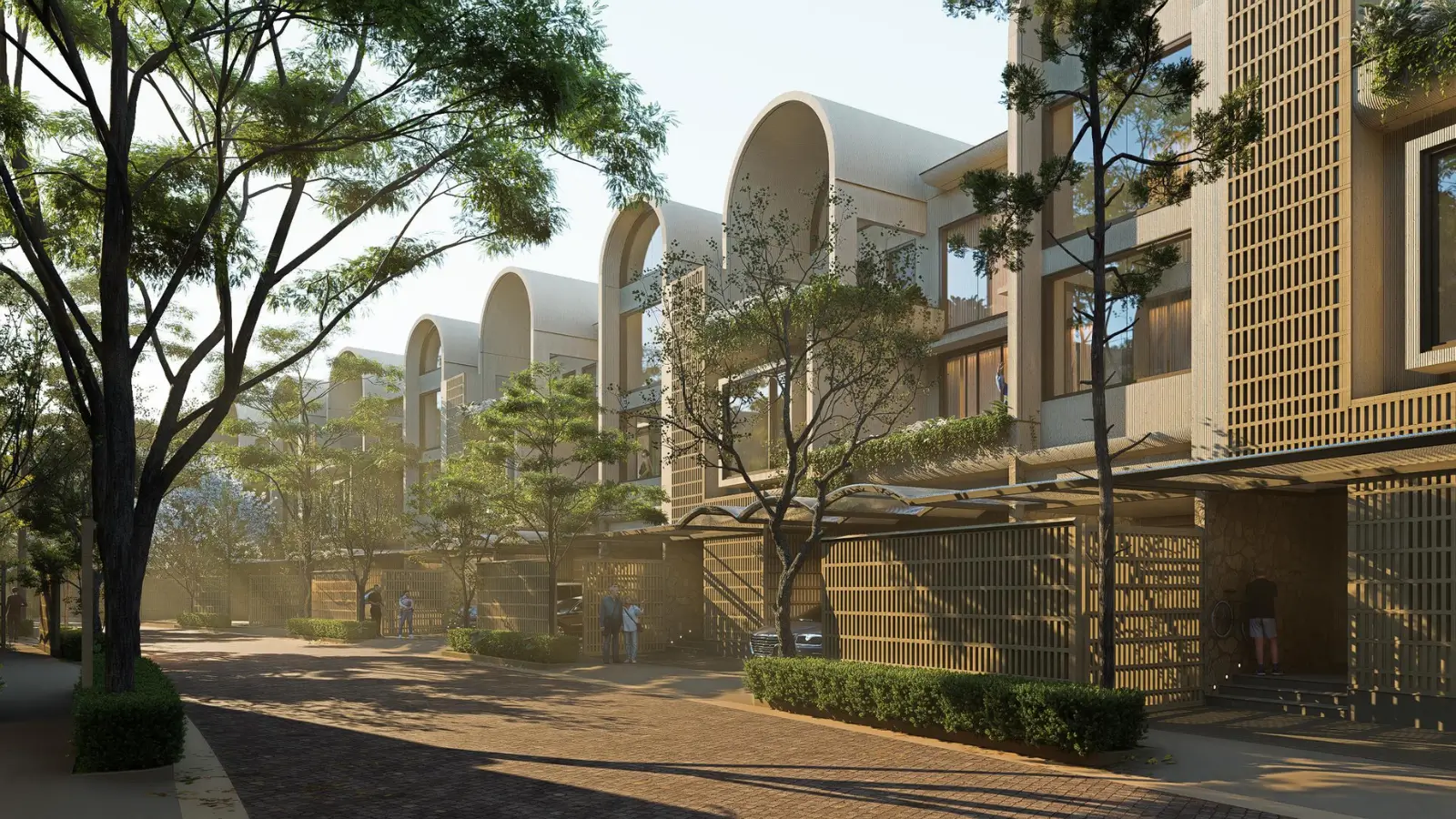
Embassy Biome is the pre-launch codename for the development now formally launched as Embassy South Reserve, an ultra-luxury apartment project by Embassy Group set on more than 14 acres inside a larger 200 acre integrated township near Stonehill International School in Tarahunise, North Bangalore. The project received its Karnataka RERA registration on 9 September 2026 under number PRM/KA/RERA/1251/309/PR/090926/008925, which moves it out of the expression of interest stage and into a registered development carrying statutory disclosure and escrow obligations. Buyers researching either name are looking at the same inventory. What was always clear is the scale of the intent: roughly 855 residences across ten or more towers, in 2, 2.5, 3, and 3.5 BHK formats aimed at buyers who want size and finish rather than a starter home. Embassy is one of the few Bangalore names with a genuine track record in integrated townships, having delivered Embassy Springs and Embassy Boulevard in this same northern belt.
The site sits in Tarahunise off the Bellary Road spine, the corridor that has quietly become North Bangalore's growth engine on the back of the airport. Kempegowda International Airport is about a 30 to 40 minute drive north, the KIADB Aerospace Park and the wider airport business corridor are close by, and Stonehill International School is almost next door, which matters for the international and NRI families this project is pitched at. The trade off is honest and worth naming early: this is the north, not the east. The established IT clusters of Whitefield, Outer Ring Road, and Electronic City are a long cross city commute away. The counterweight is the Blue Line metro extension from KR Puram to the airport, under construction with a planned Yelahanka station targeted for around 2027, which should change how this pocket connects to the rest of the city, though it is not live yet.
The residences are planned across four formats, from 2 BHK homes of about 1,330 to 1,333 sq ft, through a 2.5 BHK of roughly 1,598 sq ft, to 3 BHK layouts of about 1,896 to 1,923 sq ft, with a larger 3.5 BHK format reaching approximately 2,249 sq ft. The pitch is space led, with expansive layouts and premium specifications rather than compact efficiency. The amenity package leans on the township setting. For wellness there is a grand clubhouse, a health club, a gymnasium, a swimming pool, and a dedicated yoga area. For families there are landscaped gardens said to carry more than 4,000 trees, a children's play area, and multipurpose community spaces. For sport and daily movement there are courts and a jogging track, while retail spaces within the township and round the clock CCTV security round out the day to day experience.
Pricing is indicative and worth reading with care. Embassy's own residential channel and several listing platforms quote 2 BHK homes from about Rs 1.7 Cr, while some listings quote from Rs 1.92 Cr, so buyers should treat any number as a guide rather than a filed price until the launch price list is in hand. Bookings have been staged through a construction linked payment plan, with expression of interest amounts reported at Rs 3 Lakh for the 2 and 2.5 BHK formats and Rs 5 Lakh for the 3 and 3.5 BHK formats. Possession is currently indicated for around December 2031, which is a long horizon and part of the calculation. On approvals the position is now settled: the project is registered with the Karnataka Real Estate Regulatory Authority under PRM/KA/RERA/1251/309/PR/090926/008925, dated 9 September 2026, filed under the Embassy South Reserve name. Note that a number circulating on some aggregator pages during the pre-launch period was an agent registration rather than a project one, so buyers should match against the project number above. The table below separates what is confirmed from what remains indicative.
| Parameter | Detail | Status |
|---|---|---|
| Project type | Ultra-luxury apartments | Confirmed |
| Launch name | Embassy South Reserve | Confirmed |
| Land area | 14 plus acres within a 200 plus acre township | Indicative |
| Towers | 10 plus | Indicative |
| Units | About 855 | Indicative |
| Configurations | 2, 2.5, 3, and 3.5 BHK | Confirmed |
| Sizes | About 1,330 to 2,249 sq ft | Indicative |
| Price range | From about Rs 1.7 Cr to Rs 1.92 Cr (2 BHK) | Indicative |
| RERA | PRM/KA/RERA/1251/309/PR/090926/008925, dated 9 September 2026 | Confirmed |
| Possession | Around December 2031 | Indicative |
With registration now in place, the sharpest early risk has eased, but the diligence does not stop there: pull the record yourself and check that the declared extent and completion date match the plan you are being sold. The second thing to weigh is the price variance itself, since a gap between roughly Rs 1.7 Cr and Rs 1.92 Cr on the same 2 BHK across sources tells you the number is not yet fixed. The third is corridor maturity, since the north still trails the east and south on live IT employment and on metro connectivity, so end use today leans towards airport and aerospace professionals and NRI families rather than the Whitefield or ORR workforce. The fourth is the possession horizon of about 2031, a genuine wait that carries construction and market risk. Set against these is Embassy's delivery record in this belt, which is the strongest single reason to keep the project on a shortlist.
Embassy Biome, now Embassy South Reserve, fits a specific buyer well: someone who wants a large, well specified home inside a managed township in North Bangalore, who values proximity to the airport, the aerospace corridor, and Stonehill International School, and who can sit comfortably with a 2031 possession. It fits less well for a buyer who needs an early move in, a short commute to the eastern or southern tech corridors, or a completed address today. The right next step is to verify the registration record, the exact price list, and the sanctioned plan directly before acting, and the PropNewz team can help you weigh those specifics against comparable North Bangalore launches.
Talk to PropNewz to evaluate this project. Let's chat.
By PropNewz Team
This project is registered under K-RERA with number PRM/KA/RERA/1251/309/PR/090926/008925, dated 9 September 2026, filed under the name Embassy South Reserve. Before you pay any booking amount, confirm that registration yourself at rera.karnataka.gov.in rather than relying on this page or on the builder's marketing material. Search by the registration number or the promoter name and cross-check four things against what you have been shown: the registration number, the promoter's legal entity name, the declared project extent, and the declared completion date. A number printed on a brochure or a microsite is not proof of registration, and registrations can be amended, lapse, or be revoked after the date this page was written.
Embassy Biome's real distinction is not a single amenity but a setting: a fresh apartment enclave folded into one of North Bangalore's largest integrated townships, with more than 4,000 trees, a grand clubhouse, and a wellness and sports package that most standalone towers cannot match on land alone. Its second pull is the developer. Embassy Group has spent nearly three decades building townships, business parks, and luxury residences across this exact northern belt, and that delivery history is what turns a pre-launch codename into a project worth tracking. For buyers who value greenery, scale, and a builder with a genuine record near the airport, the proposition is coherent, provided the pre-launch specifics are verified before any commitment.

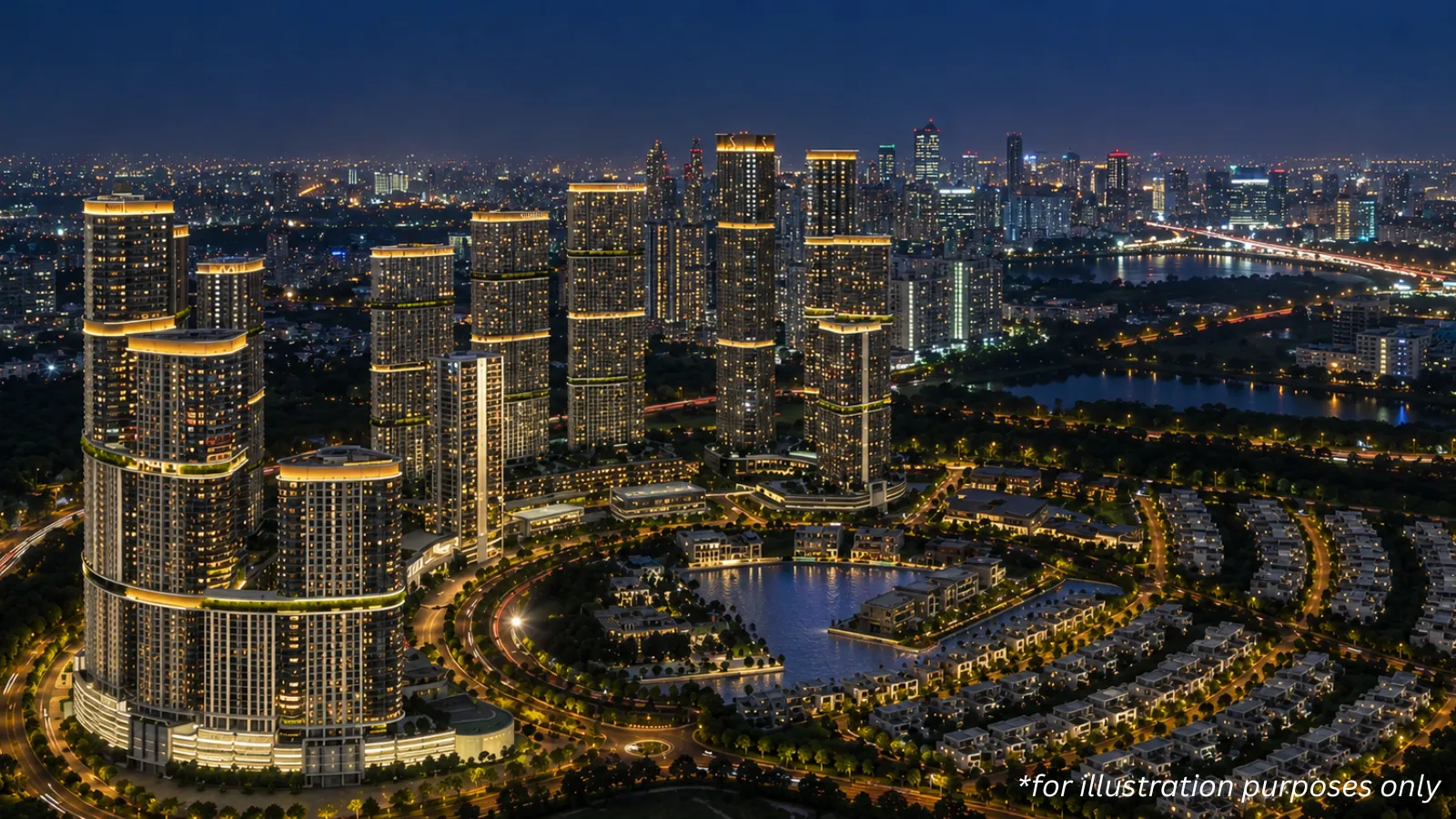
Embassy Biome Yelahanka is located in Yelahanka, Yelahanka.
Yelahanka is a residential micro-market in Bengaluru, Karnataka around PIN code 560064. For a first orientation, the Yelahanka map view helps place the locality in relation to surrounding roads, residential layouts, and daily-service pockets. City-level movement and civic context can be cross-checked through BMRCL Namma Metro, BMTC, BBMP, while the surrounding roads, institutions, healthcare options, transit nodes, and social infrastructure together shape how practical the area feels for homebuyers, tenants, and investors. This guide is written as a practical neighbourhood overview rather than a distance chart. Commute times, school admissions, hospital services, and retail access can change, so each shortlisted property should be checked on the ground.
Connectivity around Yelahanka is best evaluated through the mix of arterial roads, public transport, last-mile movement, and access to employment corridors such as Whitefield, Outer Ring Road, Electronic City, Manyata Tech Park, Devanahalli, Peenya, and Sarjapur Road. For day-to-day movement, residents should compare the main approach roads through nearby road and transit searches, because named station or bus-stop markers may sit in the wider catchment rather than beside every project. Where direct transit data is limited, the safest interpretation is to study the wider catchment and official mobility portals rather than assuming that a metro station, railway station, or bus stop is within walking distance. For end users, the key is to test the actual route from the property gate to the main road, public transport point, school route, and workplace corridor.
For real estate decisions, Yelahanka's connectivity should be checked at three levels. The first is the approach road: whether the property is reached through a main road, service road, village road, internal layout road, or a junction that becomes difficult during school and office hours. The second is the commute network: how residents move toward work clusters, railway or metro corridors, airport routes, bus depots, and neighbouring commercial centres. The third is local convenience: whether groceries, pharmacies, schools, clinics, and parks can be reached without repeatedly crossing high-traffic stretches. Because map results often show a mix of exact place results and wider-area results, buyers should treat the named transit points as orientation markers and verify the exact route from the property gate.
If Yelahanka is being considered for rental yield, connectivity has a direct bearing on tenant depth. Professionals usually compare the locality with alternative homes closer to office corridors, while families weigh school runs and healthcare access. Peripheral and emerging pockets may offer better space or pricing, but they need more careful checks on road width, street lighting, rain-time access, and public transport frequency. Established pockets may offer stronger bus, metro, railway, and cab access but can face congestion and parking pressure. This is why Yelahanka's connectivity should be treated as a full mobility ecosystem rather than as a single headline distance.
Education is a major filter for families shortlisting Yelahanka. The immediate locality may have a thinner set of named school markers, so families should begin with nearby school and college searches and then compare adjoining neighbourhoods for stronger education choices. This helps reveal whether the area is served by only a few nearby institutions or by a deeper school cluster spread across the neighbouring corridor.
Parents should use the named schools and colleges as a starting list, then verify curriculum, admission status, transport coverage, school-bus pickup points, fee structure, and commute timing directly with the institution. For Yelahanka, the practical question is not only whether schools exist nearby, but whether the daily school run is manageable during morning traffic. Families with younger children may prioritise preschools and primary schools inside a short radius, while older students may need access to PU colleges, coaching centres, sports academies, libraries, or specialised training institutions. The education picture is therefore useful because it shows the likely ecosystem, but it should be combined with direct parent-level checks.
From a homebuying perspective, a better education ecosystem usually supports long-term residential demand. Locations with multiple school options give families flexibility if admissions, curriculum preferences, or commute expectations change. For tenants, the presence of recognised schools and colleges can reduce relocation friction; for investors, it can widen the tenant pool beyond single professionals. In Yelahanka, the education section should be assessed alongside connectivity because even a reputed school may be inconvenient if the route crosses a congested junction or lacks reliable school transport. That combination of institution quality and daily travel practicality is what makes education a real estate factor rather than just a list of names.
Healthcare access around Yelahanka should be understood through both everyday clinics and larger medical facilities. The immediate locality may not show many named medical facilities, so residents should review nearby hospital and clinic searches and identify the closest dependable clinic, pharmacy, and larger hospital. This mix is useful because medical infrastructure is layered: one layer is everyday care such as clinics, dental care, diagnostic labs, and pharmacies; the other is larger hospitals that handle emergencies, surgery, maternity, paediatrics, orthopaedics, and specialist consultations.
For residents, the most important healthcare question is reliability. A locality can have many clinics on a map, but households should still check consultation hours, emergency availability, insurance acceptance, ambulance approach roads, and the nearest multi-speciality hospital. In Yelahanka, this is especially relevant for senior citizens, families with infants, and residents with chronic conditions who may need recurring access to diagnostics or specialists. Homebuyers should test the drive to at least one larger hospital and one pharmacy cluster during peak hours. Apartment buyers should also check gate access for ambulances, internal driveway width, lift backup, and whether nearby road conditions remain usable during heavy rain.
For real estate evaluation, healthcare access gives confidence beyond day-to-day convenience. It influences family suitability, senior-living comfort, and the willingness of tenants to stay longer. Emerging localities may depend on hospitals in an adjoining suburb or highway corridor, while central or established areas may have a denser network of clinics and speciality hospitals. The named healthcare options around Yelahanka should therefore be interpreted as a map of likely medical access, not as a guarantee of service quality. Before a purchase or lease decision, users should call shortlisted providers and verify current departments, timings, emergency support, and route practicality from the exact property.
Social infrastructure gives Yelahanka its daily-life character. Where named malls or parks are limited within the immediate pocket, home seekers should use nearby mall, park, and market searches to compare the wider social-infrastructure catchment. For a home seeker, this section matters because the value of a location is shaped by groceries, dining, worship places, salons, repairs, banking, fitness, weekend shopping, children's play areas, and usable public or semi-public open spaces.
In practical terms, Yelahanka should be checked for both organised and informal convenience. Organised social infrastructure includes malls, supermarkets, branded stores, sports facilities, cinema screens, community centres, and larger parks. Informal infrastructure includes neighbourhood provision stores, local markets, small eateries, pharmacies, vegetable shops, service vendors, temples or other places of worship, and everyday repair services. Many Indian micro-markets function well because of this informal layer even when a large mall is not immediately nearby. That is why the named amenities in this section should be used with a site visit: the best residential experience often comes from the combination of a convenient local market and a reachable weekend destination.
For buyers and investors, social infrastructure affects retention and resale appeal. Tenants prefer areas where they can solve daily needs quickly and still reach larger leisure options on weekends. Families value parks, sports spaces, safe walking routes, and child-friendly stores. Senior citizens may place more weight on pharmacies, clinics, temples, benches, and quieter internal roads. In Yelahanka, the ideal property is one that uses the locality's social ecosystem without being exposed to excessive noise, parking spillover, or traffic from commercial stretches. A final site visit should therefore cover weekday evenings and weekends, not just a quiet afternoon inspection.
Overall, Yelahanka should be scored through the combined lens of connectivity, education, healthcare, and social infrastructure. The named places and map links make the guide more useful, but real estate decisions still need final verification: walk the approach road, check commute routes, call institutions, test healthcare access, and inspect the neighbourhood at different times of day. Used this way, the guide becomes a practical shortlisting tool for comparing Yelahanka with other Bengaluru locations.
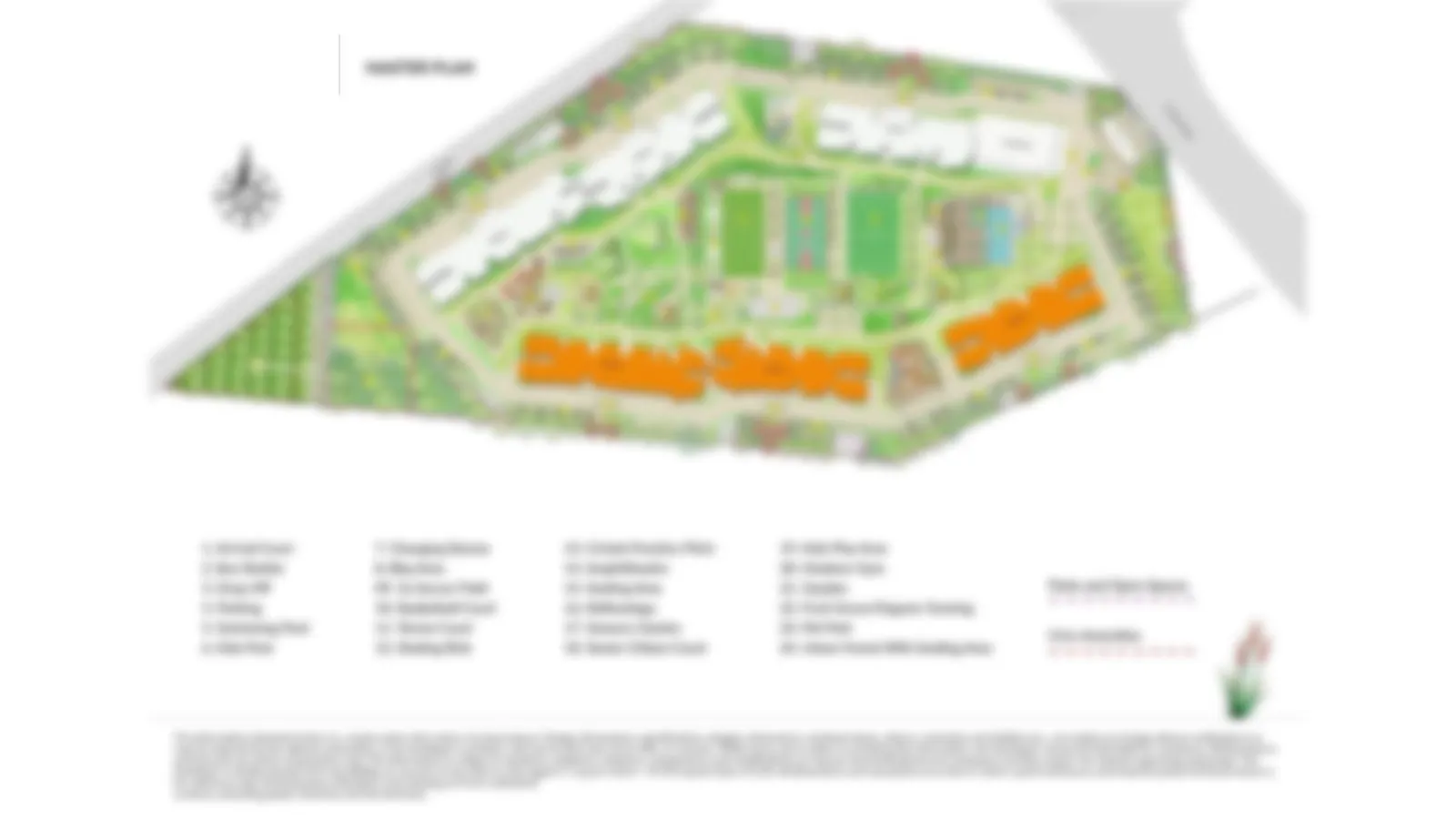
Embassy Biome Yelahanka is comprised of 2 BHK with builtup area of 1,330 to 1,333 sq ft sqftand land area of with land area of sqft , 2.5 BHK with builtup area of 1,598 sq ft sqftand land area of sqft with land area of sqft , 3 BHK with builtup area of 1,896 to 1,923 sq ft sqftand land area of sqftwith land area of sqft, 3.5 BHK with builtup area of Up to approximately 2,249 sq ft (indicative) sqftand land area of sqftwith land area of sqft , with builtup area of sqftand land area of sqftwith land area of sqft Apartments.
.jpg)
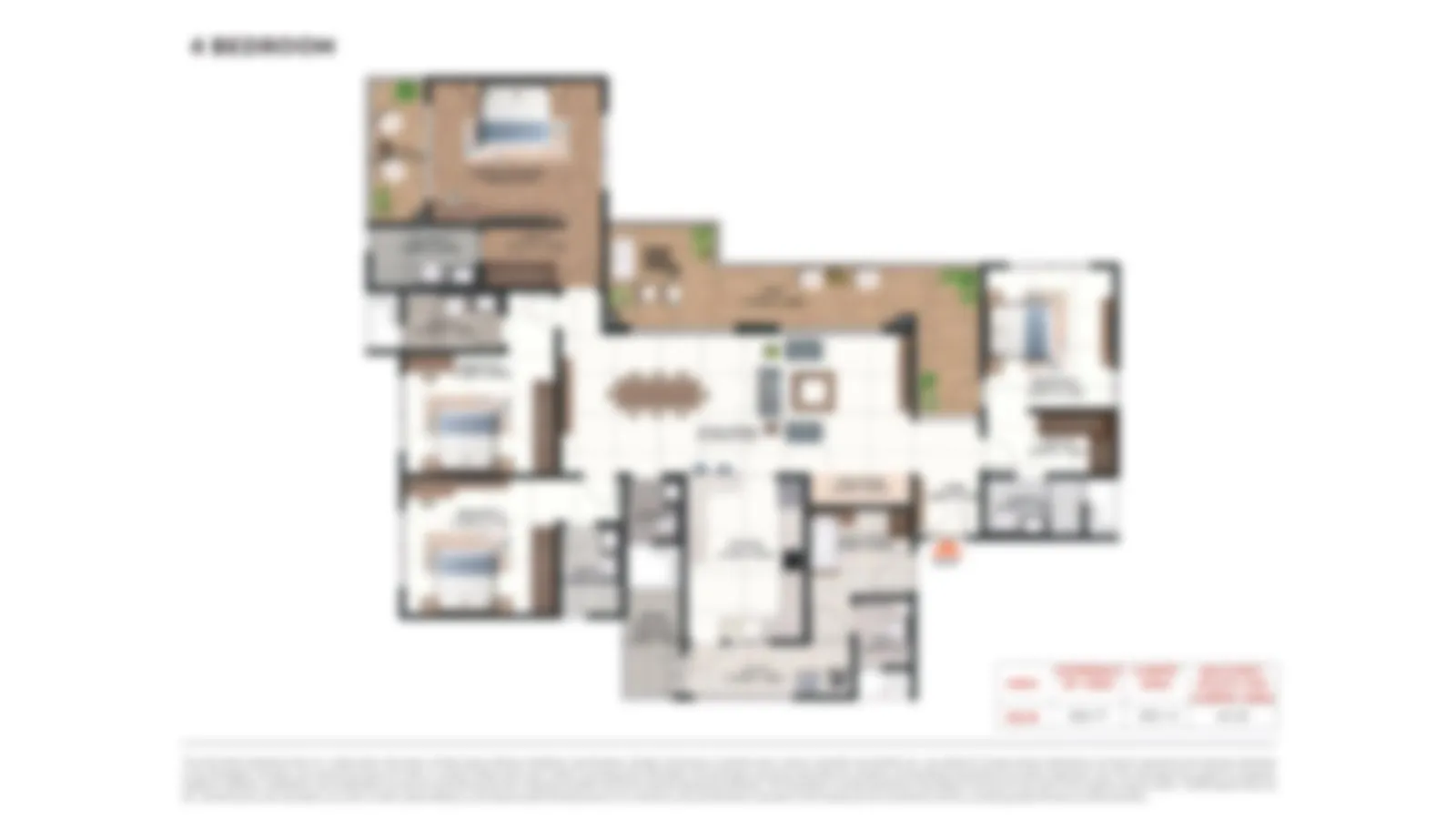
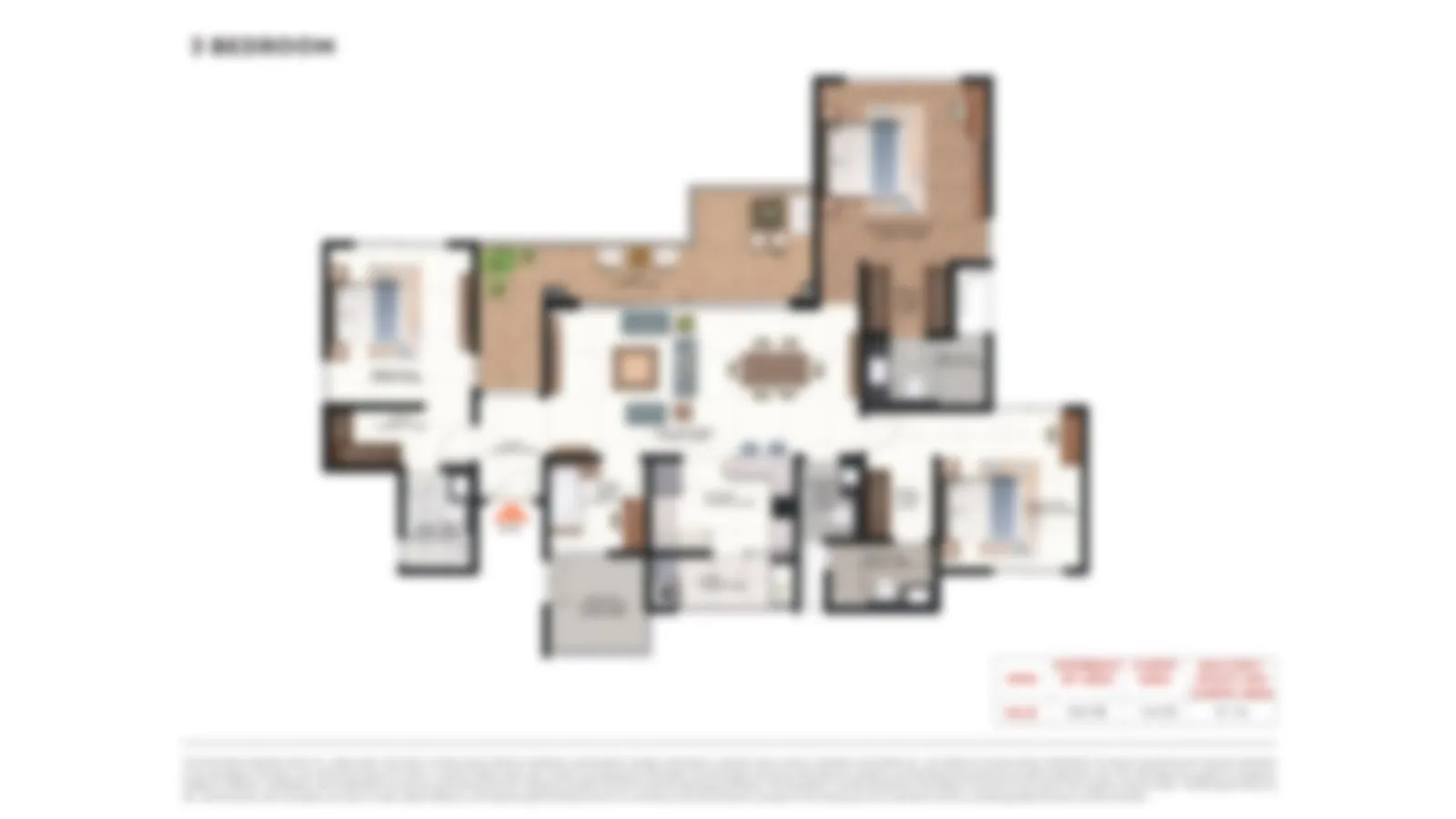
| Unit Type | Plot Area (Sq Ft)Area (Sq Ft) | Super Builtup Area (Sq Ft) | Price |
|---|---|---|---|
2 BHK | 1,330 to 1,333 sq ft | Unlock Price Rs 1.7 Cr onwards (indicative) | |
2.5 BHK | 1,598 sq ft | To be confirmed | |
3 BHK | 1,896 to 1,923 sq ft | To be confirmed | |
3.5 BHK | Up to approximately 2,249 sq ft (indicative) | To be confirmed | |
| Unlock Price |
Base Price = ₹ *****Rs 1.7 Cr onwards (indicative pre-launch) / sq.ft
*Prices last updated on August 26, 2026. Please contact us for latest details about available units, prices and offers.

Reach out to us by filling the contact form and we'll get in touch with you soon.
Embassy Property Developments Private Limited, established in 1993, brings 28 years of expertise in real estate development. With an extensive land bank and a track record of developing nearly 30 million square feet of prime commercial, residential, and retail space, Embassy has made significant contributions to the real estate sector. The company has expanded internationally, with operations in Malaysia and Serbia.
In the realm of residential development, Embassy has successfully completed over 5.3 million square feet of spaces, including luxury plots and integrated townships. Emphasizing sustainability, their ongoing residential projects aim for IGBC Green Homes Certifications, aligning with efforts to create eco-friendly developments.
Looking forward, Embassy envisions leveraging tenant relationships to expand its Information Technology space portfolio across India and internationally. The company is committed to developing not only residential and retail spaces but also venturing into hospitality projects within the integrated townships and business parks it creates.
Embassy's dedication is evident in its extensive project portfolio:
Talk to Builder | Get more info
.svg)
Share your budget and where you're looking. An advisor who has actually walked the sites will shortlist a handful of RERA-registered projects and tell you which to skip.