- Name of the project: Prestige Highland Hideaway
- Location and address details: Situated in Whitefield (East Bengaluru), off Whitefield Road (marketing references list postal code 560066). The project occupies a large parcel of land within Whitefield’s residential corridor — a micro-market that directly serves the IT and professional workforce concentrated across nearby tech parks and corporate campuses.
- Purpose: residential: Highland Hideaway is conceived primarily as a high-end residential township offering apartment living with a township-level amenity and open-space program. The product mix is targeted at owner-occupiers (families and professionals) and long-term investors seeking rental yield from Whitefield’s strong tenant base.
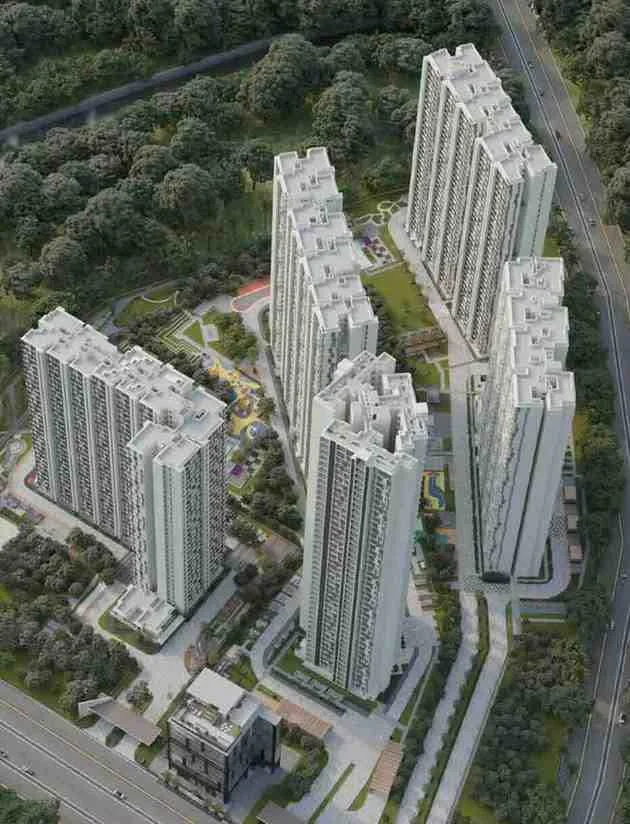
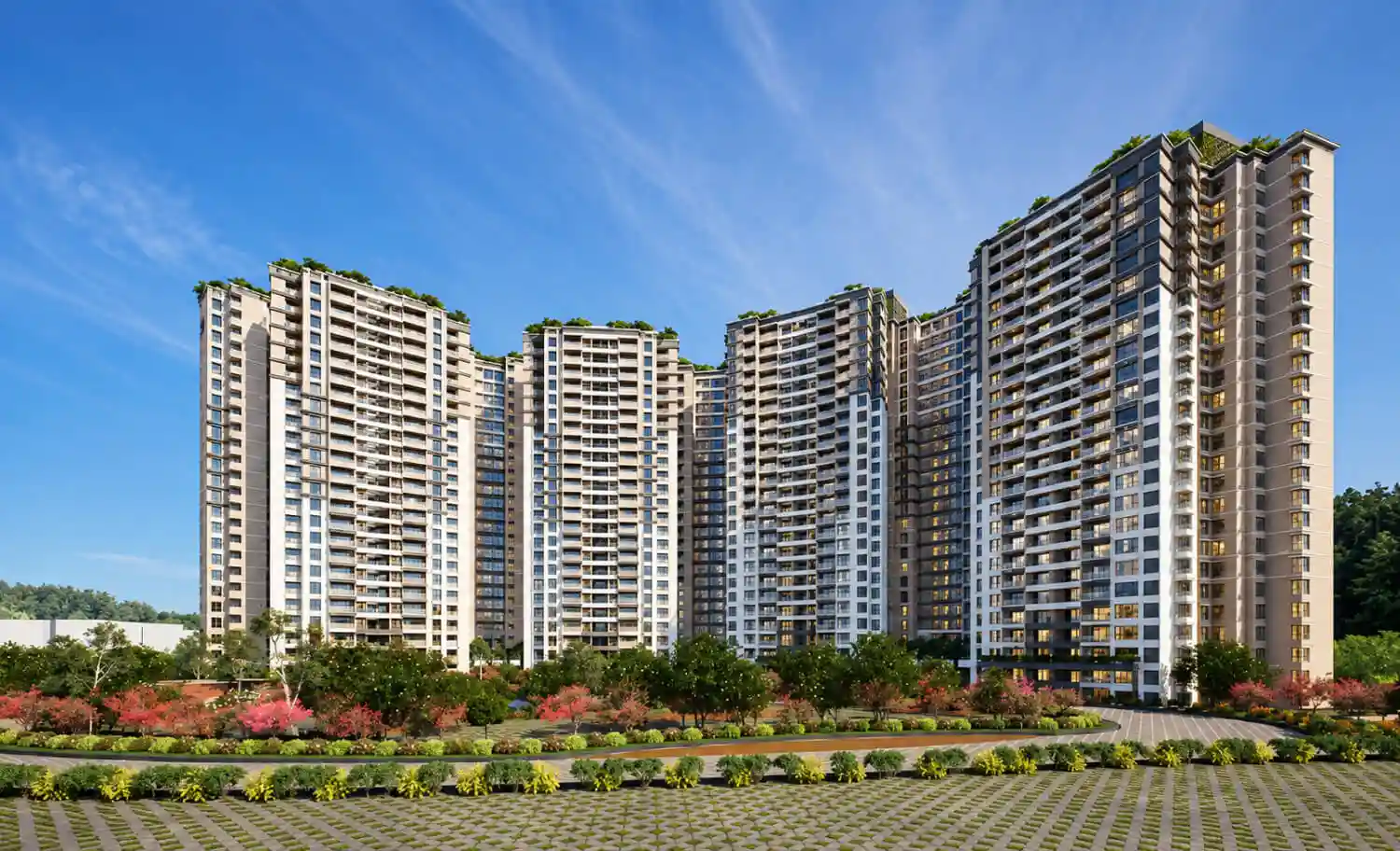
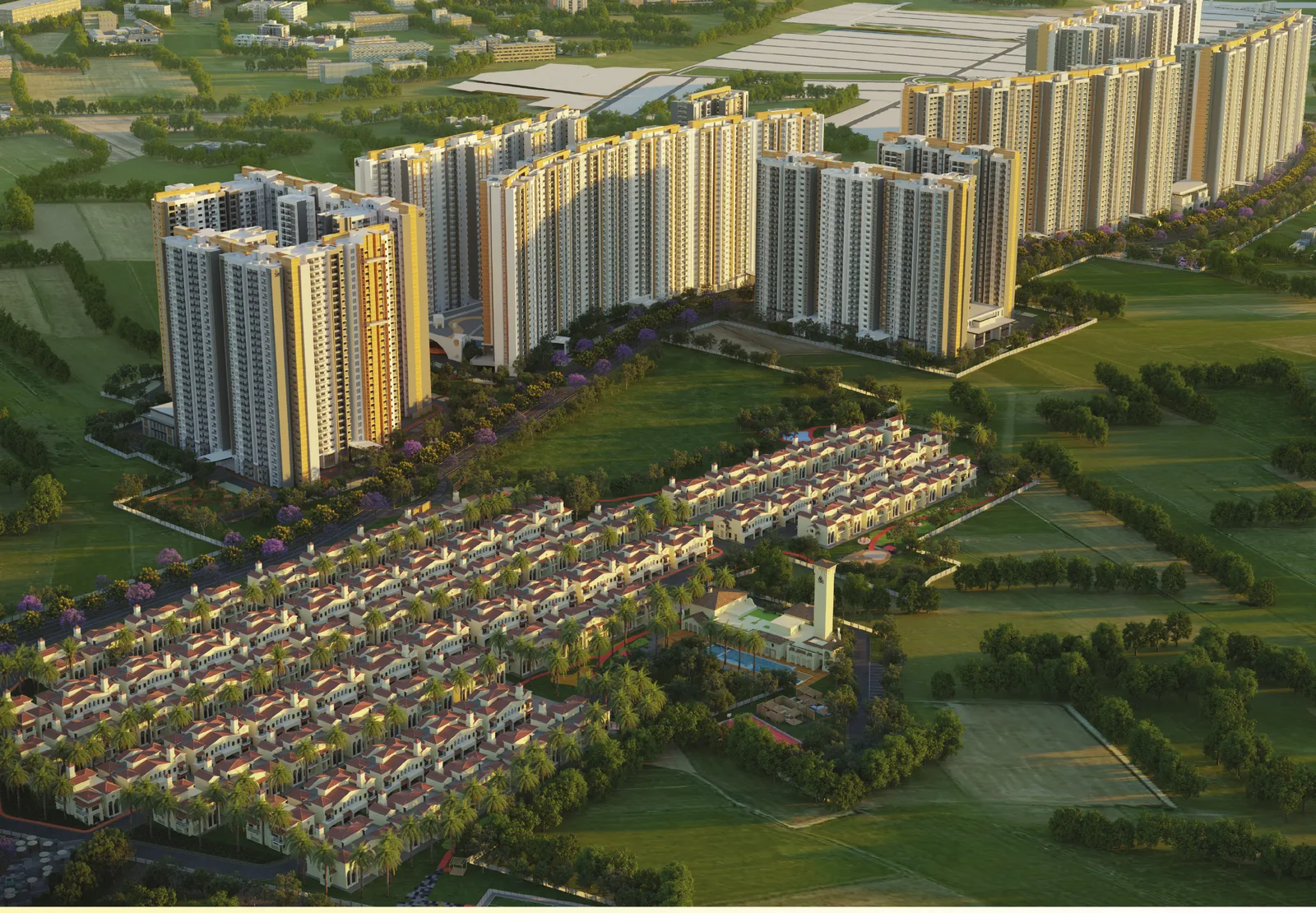
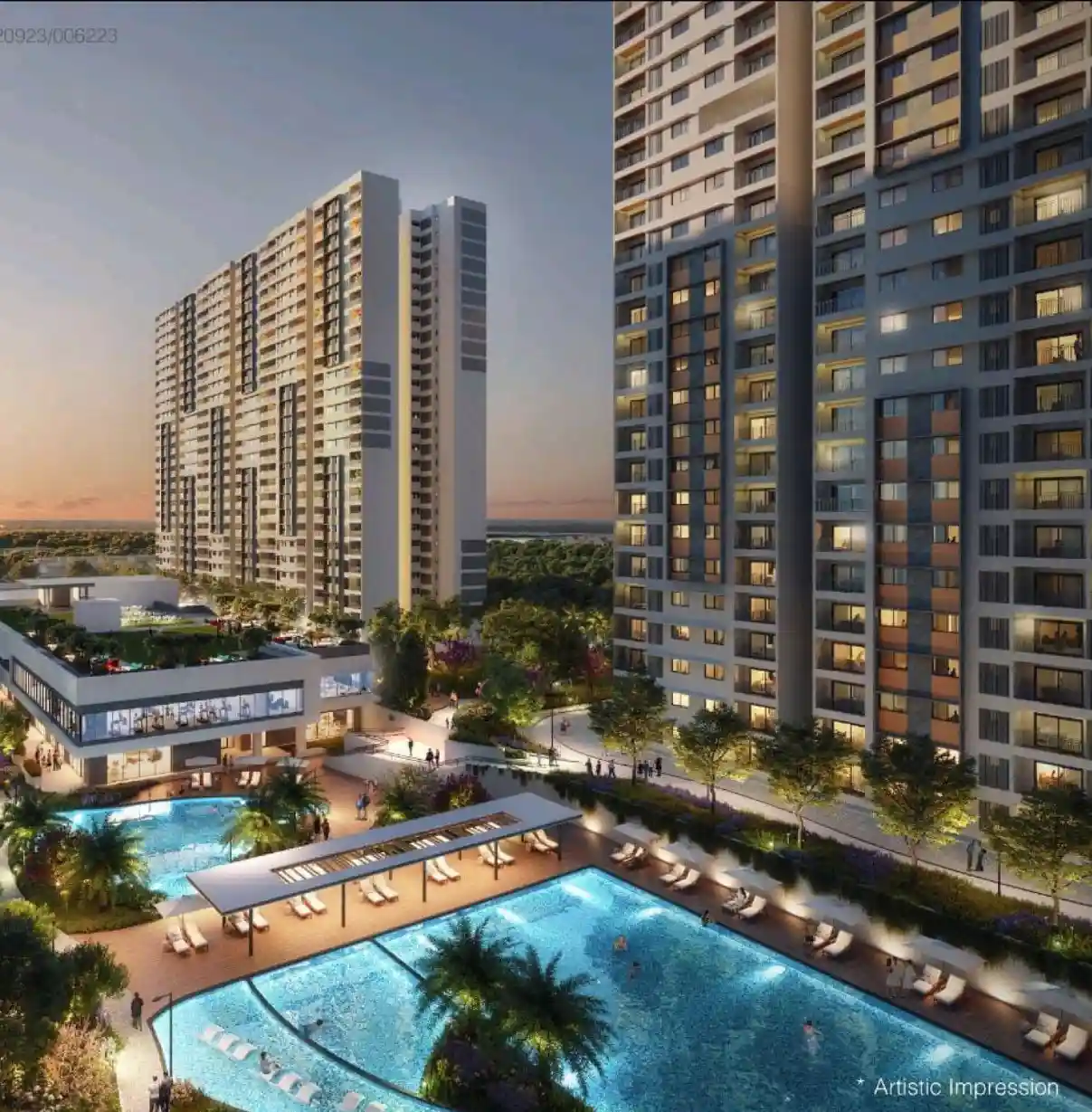
- Category: apartments / township: The scheme is marketed as a mixed/ township-scale apartment development, comprising multiple high-rise residential towers, a sizable clubhouse and a broad suite of recreational and community facilities. Published marketing material reports 10 towers and over 2,000 residential units across the site.
- Project timeline and phases: Project marketing entered a pre-launch phase in 2025 with expressions of interest being accepted. The formal launch was reported for 2026 with construction expected to commence the same year. Possession windows quoted across marketing materials target 2029–2030, implying a 3–4 year construction and delivery cycle after launch. The developer’s stated approach is phased delivery of core infrastructure and primary amenity blocks ahead of full housing handover.
Market analysis
Target market demographics
Primary demand drivers are Whitefield-based IT professionals, mid-to-high income households, and families seeking premium apartment living with ready access to employment nodes. Secondary buyers include investor segments attracted by rental yield and capital appreciation in the East Bangalore corridor. The product positioning (1/2/3 BHK mix) addresses singles and nuclear families, with larger units serving multigenerational households.
Competitive analysis of similar projects in the area
Whitefield hosts a deep pipeline of premium and luxury residential launches; competing projects typically offer similar amenities (clubhouses, pools, gyms, landscaped open spaces) and premium connectivity. Highland Hideaway competes by scale (township size), developer brand, and purportedly high open-space allocation (>80%), which—if delivered—would be a differentiator in a market where site efficiency and amenity density vary significantly.
Demand and supply trends
Whitefield continues to show robust demand because of concentration of employment hubs, improving metro and road connectivity, and strong rental pools. Supply in the premium segment has been active; however, high-quality launches by established builders tend to absorb quickly due to brand trust and pre-launch demand from corporate buyers and investors.
Unique selling propositions (USPs)
- Large township footprint with high open-space ratio (>80%).
- Reputed developer (Prestige Group) with strong delivery track record and high credit/developer ratings.
- Product breadth (multiple unit sizes) and a rich amenity proposition targeted at family lifestyles and long-stay renters.
- Pre-launch price advantage for early buyers.
Land and location details
Size and zoning classification
Public marketing lists the site area in the range of 18–36 acres; there is inconsistency across aggregator pages. Zoning is residential (R) for multi-dwelling use within the Whitefield planning jurisdiction. Prospective buyers should obtain the official site plan and land-use certificate to confirm exact area and zoning classification.
Accessibility: transportation and nearby landmarks
Whitefield offers multi-modal connectivity: arterial road links to Outer Ring Road and other major corridors, local rail and multiple metro stations in the broader district (metro extensions improving commute options), and proximity to major IT parks (ITPL, EPIP). The site’s location within Whitefield places it within reach of major hospitals, schools and retail centers.
Environmental considerations and permits
Marketing emphasizes green open space, rainwater harvesting and waste-management initiatives. Formal environmental clearances, tree removal permissions, and stormwater management plans are part of statutory approvals; buyers should validate copies of the NOC(s) and environmental compliance documentation supplied by the developer.
project design and layout
Master plan and architectural design
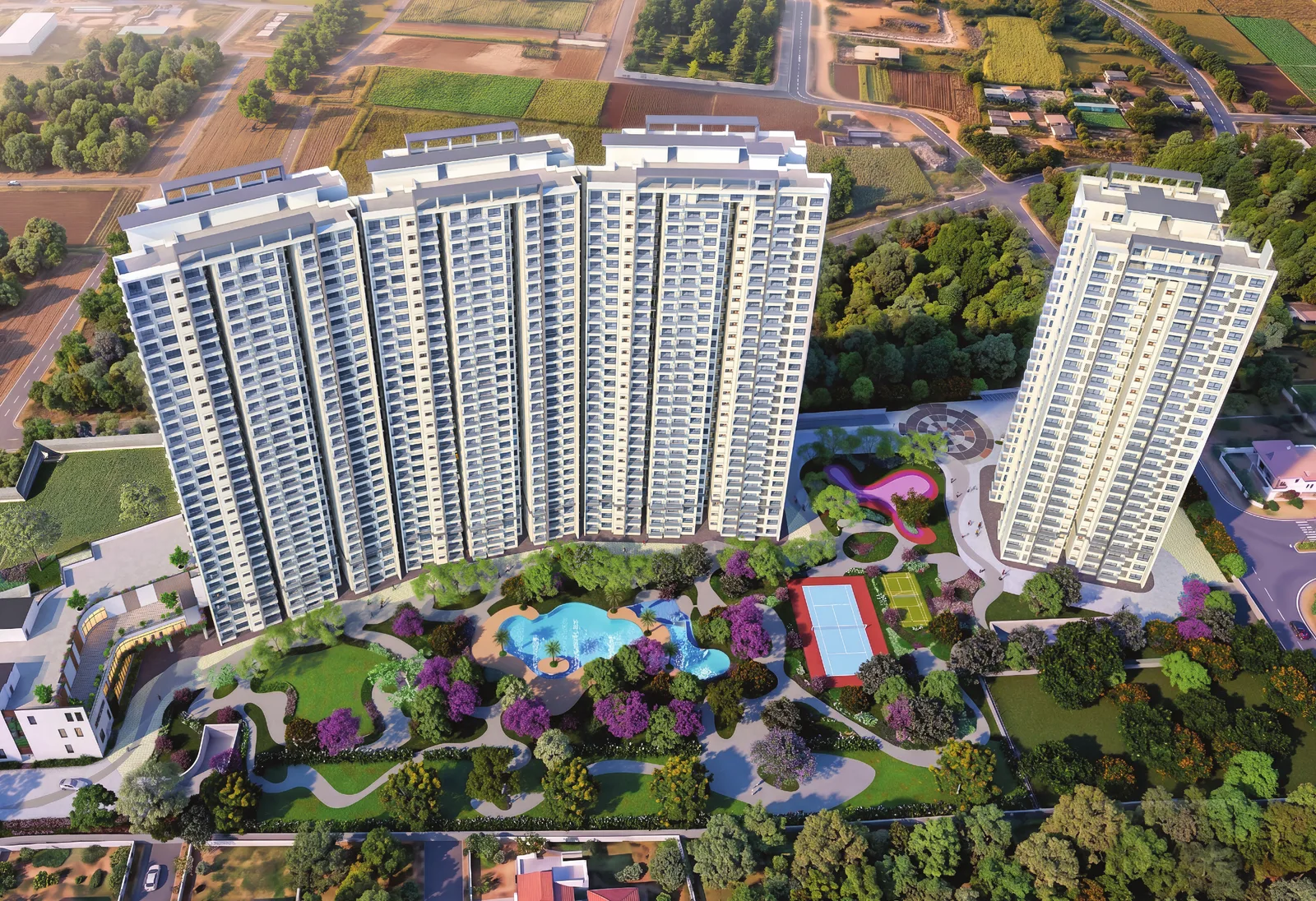
The master plan prioritizes large landscaped areas, central community amenities and well-spaced tower placements to optimize sunlight and cross-ventilation. Typical towers are reported as B+G+26, arranged to avoid direct facing of doors and to ensure privacy. A central clubhouse and peripheral green belts form the community spine.
Number and types of units
Primary unit categories reported: 1 BHK (650 sqft), 2 BHK (1200 sqft), and 3 BHK (1950 sqft). Total inventory exceeds 2,000 apartments across 10 towers. Floor plates are designed for efficient layouts, with balconies, utility spaces and provision for modern kitchen and storage.
Amenities and facilities
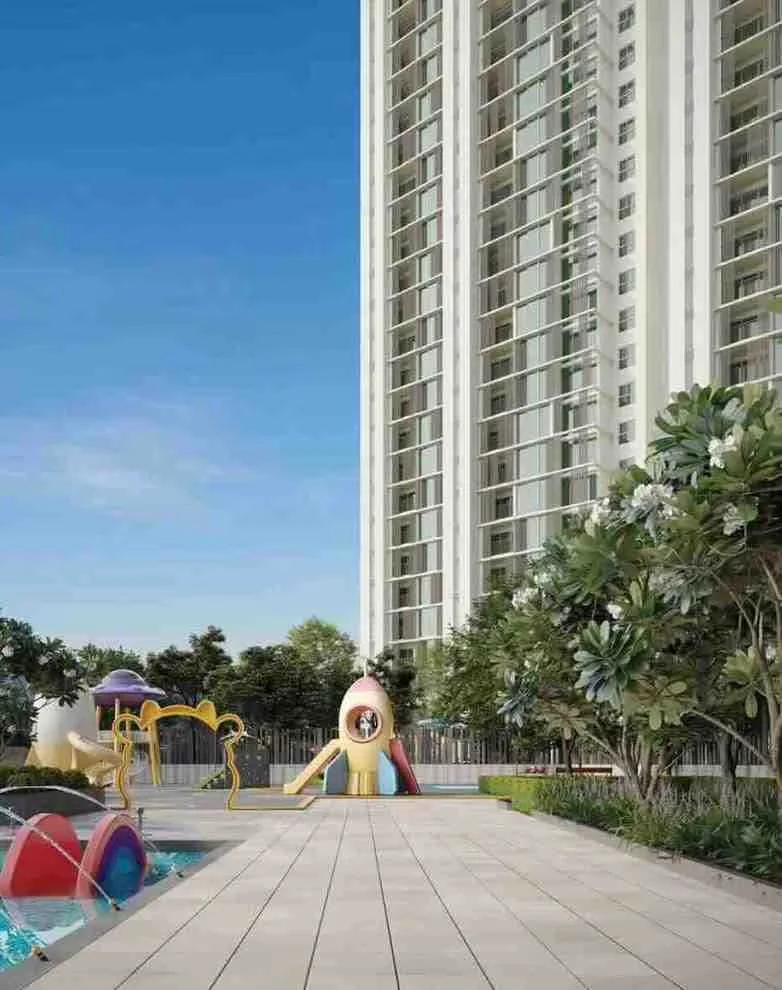
A comprehensive amenities program is planned: a large clubhouse (reported ~25,000 sqft), swimming pool, gymnasium, jogging tracks, children’s play areas, senior citizen zones, pet park, co-working areas, sports courts and community halls. Utility features include power backup, water management systems and high-speed internet infrastructure.
Energy efficiency and sustainability features
Sustainability claims include extensive landscaping and open-space allocation, rainwater harvesting, wastewater management and measures aimed at reducing consumption (LED lighting, potential energy-efficient HVAC provisions at the apartment level). The project promotes a green-living narrative though independent certification (e.g., IGBC/GRIHA/LEED) should be confirmed with developer documentation.
Financials and investment
Total project cost estimation
Public marketing does not disclose a consolidated project cost estimate. Large township projects of this scale typically involve significant capital outlay for land, infrastructure, and amenity delivery. Exact figures would be developer-provided and subject to verification.
Funding sources
Large developers typically fund projects through a mix of internal accruals, construction finance (bank loans), and upfront collections from buyers (pre-launch/booking receipts). Prestige Group’s investment-grade developer rating improves access to institutional credit lines; buyers should ask the developer for specifics on escrow/ trust accounts and construction-funding arrangements.
Expected revenue and ROI projections
Pre-launch price points reported at ~Rs. 10,500 / sqft and projected post-launch marketing at ~Rs. 12,500 / sqft imply a near-term uplift for early buyers (marketing claims indicate ~19% appreciation to launch). Long-term ROI will depend on Whitefield’s continued demand, delivery quality, and macroeconomic factors. Historical trends in Whitefield have favored steady capital appreciation and decent rental yields for high-quality projects.
Pricing strategy for units
Marketing indicates staged pricing: early EOI/pre-launch rates with higher pricing post-launch. Unit starting prices cited (indicative): 1 BHK ~Rs. 70 Lakhs (650 sqft), 2 BHK ~Rs. 1.25 Cr (1200 sqft), 3 BHK ~Rs. 2.5 Cr (1950 sqft). Buyers must confirm pricing, GST applicability, stamp duty, registration charges and parking/maintenance fees.
legal and compliance
Land acquisition and ownership documents
Buyers should request conveyance documents, title certificates, and encumbrance certificates. Marketing pages do not substitute for verifiable title documentation. Confirm whether the land is freehold or leasehold, and review any litigation disclosures.
Compliance with local laws and regulations
RERA registration is reported as “in process” on marketing pages; an official RERA ID and registration document must be presented before any booking. Building plan approvals, environmental clearances, and fire NOCs are critical statutory checks.
Licenses and permits required
Typical required permits: building plan sanction from local authority, environmental NOCs (if applicable), fire safety nodal clearance, water and sewerage connections, and RERA registration. Buyers should insist on sighting all permits and ask for copies to be appended to the sale agreement.
Risk management plan
Key legal risks include title disputes and delayed / partial approvals. Financial risks include project funding shortfalls. Mitigants: developer’s creditworthiness (DA1+ rating cited), escrow mechanisms, documented RERA obligations, and staged possession-linked payment clauses. Buyers should also seek independent legal review of the booking and sale agreement.
Construction and project execution
Timeline for construction phases
Construction is to commence post-launch (2026) with a phased approach aimed at delivering primary towers and essential amenities ahead of full possession (target 2029–2030). Critical-path activities include site preparation, utilities, foundation works, and vertical construction sequence for each tower.
Contractors and vendor selection
While marketing lists the developer and design philosophies, specific appointed contractors, structural consultants and MEP vendors should be confirmed. Large developers generally use established engineering and construction partners; buyers may request the names and contract copies where relevant.
Quality assurance and safety measures
Quality control typically involves third-party materials testing, periodic structural audits, and site safety protocols. Buyers should ask for a quality-control plan, periodic progress reports and evidence of statutory compliance during construction.
Contingency plans for delays
Given an ambitious timeline, common contingencies include buffer windows, financial provisioning for contractors, and contractual remedies in the sale agreement. Verify builder’s historical on-time delivery record and RERA-mandated delay rectification clauses.
Timeline and milestones
Pre-construction phase
Approvals and design: RERA registration, building plan approvals, utility NOCs, and finalization of sales literature and price lists. Pre-launch marketing and EOI collections occur here.
Construction phase
Phase 1: site works, foundational works, core/ services.
Phase 2: tower superstructure and internal finishes.
Phase 3: amenities, landscaping and final commissioning.
Handover and post-construction services
Handover in blocks per the possession timeline, with a post-possession defect liability period (standard 12–24 months) and dedicated property management and maintenance handover. Buyers should clarify timelines, handover checklists and maintenance fee commencement dates.
Sustainability and community impact
Green building certifications and practices
Marketing emphasizes open space, rainwater harvesting and waste management. Official green-building certifications (if obtained) would strengthen sustainability claims—buyers should request certification documents or independent environmental-impact reports.
Contribution to local community development
Large township projects often improve local infrastructure (roads, landscaped public spaces) and generate local employment during construction and operations. The project’s community facilities (co-working, senior areas, organic gardening) are positioned to serve both residents and local neighbors.
Long-term maintenance and management plans
A professional property management regime, society governance model and clear maintenance-fee structure are essential for long-term asset quality. Buyers should examine proposed maintenance contracts and transition plans from developer-run management to resident-elected societies.
Prestige Highland Hideaway presents a large-scale, brand-backed opportunity in Whitefield with clearly stated USPs in open space, amenities and developer pedigree. However, several critical verifications remain necessary: confirm exact site area (marketing lists 18–36 acres), obtain the official RERA ID and registration documents, secure copies of statutory approvals and the detailed payment/escrow plan, and validate contractor appointments and QC procedures. For any purchase decision request the complete brochure, sanctioned plans and an independent legal title opinion. If you’d like, I can prepare a one-page checklist of documents to verify (RERA ID, title search, approvals, cost breakup) and a draft set of questions to ask the sales team—ready for immediate use at site visits or sales office meetings.






.jpg)

.svg)

.webp)